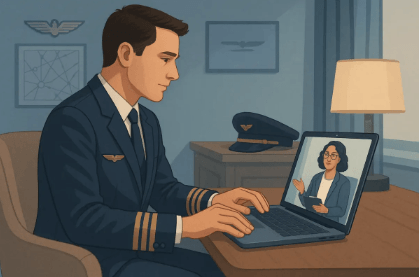
Aviation professionals operate in one of the most demanding career fields in the world. Pilots face unique stressors that most people never encounter—irregular sleep schedules, time zone disruptions, high-stakes decision-making, and the constant pressure to perform flawlessly. These factors make mental health support essential, yet many pilots hesitate to seek help due to concerns about their medical certification and career stability.
Why Pilots Need Specialized Mental Health Support
The aviation industry has made significant strides in recognizing the importance of mental health, but stigma remains a powerful barrier. Pilots often worry that seeking therapy could jeopardize their FAA medical certificate or raise questions about their fitness to fly. This fear keeps many from accessing the support they need until problems become severe.
A therapist for pilots understands these concerns intimately. Unlike general mental health practitioners, a pilot therapist recognizes the delicate balance between getting help and protecting one’s career. They provide confidential, career-sensitive counseling that addresses aviation-specific challenges while respecting the professional realities pilots face.
Common Mental Health Challenges Among Pilots
Pilots experience a range of mental health concerns that stem directly from their work environment:
Performance Anxiety: The pressure to execute perfect takeoffs, landings, and in-flight decisions can create significant anxiety. Even experienced pilots may struggle with self-doubt before important flights or checkrides.
Chronic Stress and Burnout: Long hours, time away from family, and the physical toll of flying contribute to burnout. Many pilots report feeling emotionally exhausted but push through because they love their careers.
Relationship Strain: Irregular schedules and extended time away from home put enormous pressure on marriages and family relationships. Pilots often struggle to maintain meaningful connections while managing their professional demands.
Substance Use Concerns: Some pilots turn to alcohol or other substances to cope with stress or sleep problems. A specialized therapist can address these issues before they escalate into serious problems.
What Makes Pilot Therapy Different
Working with a pilot therapist offers distinct advantages over traditional counseling. These professionals understand FAA regulations, medical certification requirements, and the unique culture of aviation. They can help pilots navigate mental health challenges without unnecessarily risking their careers.
Key differences include:
Career-Safe Approach: A pilot therapist knows which interventions support both mental health and professional requirements. They can guide pilots toward solutions that satisfy both personal wellness needs and regulatory obligations.
Aviation-Specific Expertise: From understanding circadian rhythm disruptions to addressing fear of turbulence, a specialized therapist speaks the language of aviation and addresses concerns that general therapists might miss.
Confidentiality Understanding: Pilot therapists recognize the heightened privacy concerns aviation professionals have. They create safe spaces where pilots can be honest without fear of professional repercussions.
When to Seek Help
Pilots should consider reaching out to a specialized therapist when they experience:
- Persistent anxiety about flying or performance
- Difficulty sleeping before or after trips
- Increasing irritability or mood changes
- Relationship problems related to work schedules
- Feelings of isolation or depression
- Increased alcohol or substance use
- Loss of enjoyment in flying or life outside work
Early intervention prevents small concerns from becoming major problems. Working with a therapist who understands aviation can make the difference between suffering in silence and getting effective, career-protective support.
Conclusion
Mental health is just as important as physical health for pilots. The unique demands of aviation require specialized support from professionals who understand both the challenges of flying and the career implications of seeking help. A therapist for pilots provides the expertise, confidentiality, and aviation-specific knowledge that aviation professionals need to maintain both their mental wellness and their careers.
Stephen Rought, LCSW, offers specialized counseling services designed specifically for pilots and aviation professionals. His practice provides discreet, results-oriented therapy that addresses the unique mental health challenges faced by those in the aviation industry.